Imaging centers & clinics
Outpatient reading that keeps pace with your schedule.
Outpatient imaging lives by its schedule and its referrers. Plan reading support with Radstead around your scanning hours, modality mix and the way referring offices receive reports.
Outpatient reading at a glance
- Common starting points
- Evening and Saturday sessions, cover during a vacancy or leave, or a modality without local reading.
- Defined first
- The examinations and hours in scope, delivery to each referrer, and how contrast supervision is arranged.
- Usually involved
- Operations lead · Imaging manager · PACS administrator · Referring practices
- First step
- Start from the sessions where studies wait. Licensure, credentialing and capacity are confirmed before reading.
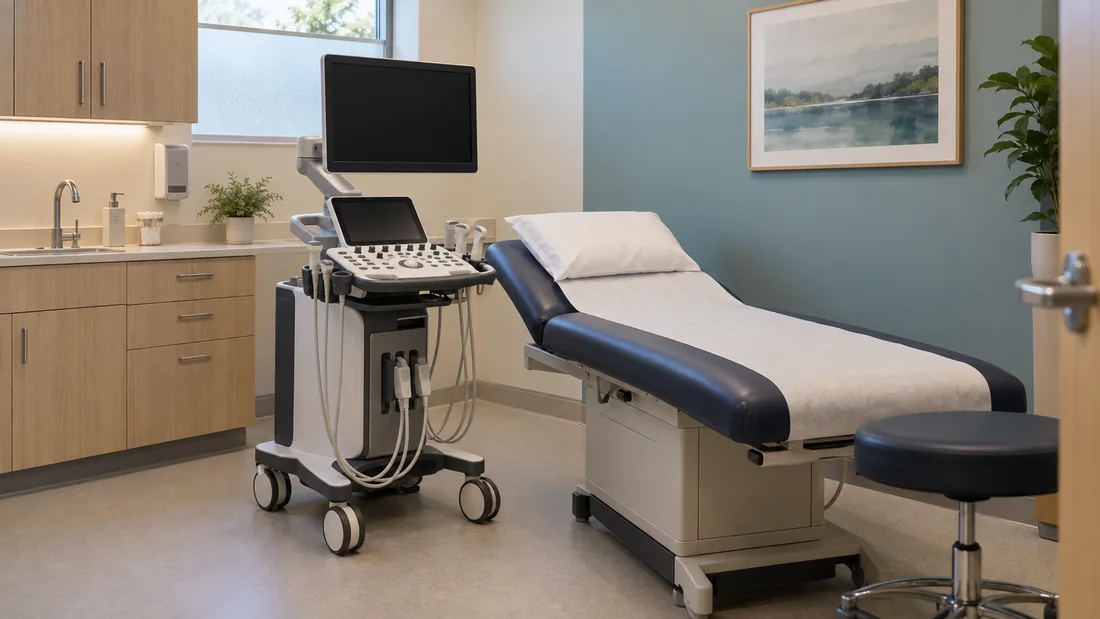
Outpatient settings
Built for the way outpatient imaging runs.
From a single-site center to a network of clinics, outpatient reading turns on the same things: predictable turnaround, referrers who get what they need, and a schedule that does not stall when a radiologist is away.
Independent imaging centers
Multi-modality schedules, extended hours and a broad base of referring practices.
Multi-site imaging networks
Consistent routing, templates and turnaround across sites with different volumes.
Urgent care and walk-in clinics
Radiography that needs a timely read while the patient’s visit is still open.
Orthopedic and specialty practices
In-office X-ray, MRI or ultrasound, read with the specialist’s questions in mind.
Women’s health centers
Breast imaging and pelvic ultrasound, with MQSA planning where mammography is offered.
Multi-specialty and primary care clinics
X-ray, ultrasound or DEXA without the volume to justify a local radiologist.
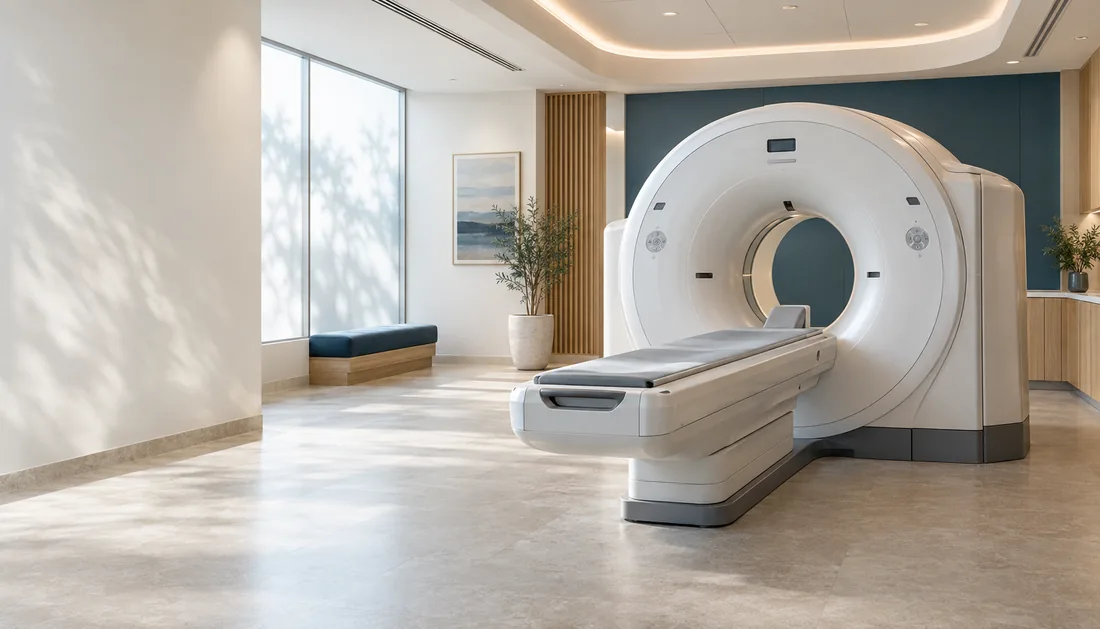
When needs change
The moments that change reading needs.
Outpatient reading needs rarely drift. They change when something in the schedule, the staffing or the service line does.
Scanning hours outgrow reading hours
Evening and Saturday sessions fill up, and their studies wait overnight for the morning read.
Common starting pointEvenings and weekends
A radiologist leaves or takes leave
Reading capacity drops at once, while recruitment or the leave runs its course.
Common starting pointDaytime reading for a defined period
A new modality arrives
An MRI, CT or DEXA scanner is installed before local reading depth exists for it.
Common starting pointModality-specific reading
A new site opens
Another location needs routing, identifiers and report delivery that match the first.
Common starting pointDaytime reading, extended as volume grows
Referrers ask for more
Referring practices want faster, clearer or more consistent reports, delivered into their own systems.
Common starting pointA review of templates, delivery and turnaround definitions
Not sure which hours need cover? The coverage-gap tool compares scanning hours with local reading hours.
The referrer’s experience
From order to a report the referrer can use.
Referring offices judge an imaging center by what reaches them. Each step has an owner, and each is tested before go-live.
Order and scheduling
Your centerThe order arrives with the reason for the examination and any outside imaging the referrer knows about.
Scan and worksheet
Your centerTechnologists complete the study, worksheets and measurements, and flag anything urgent.
Remote read
Reading radiologistRead against relevant priors, with questions routed back to your team rather than guessed.
Report delivered
Agreed togetherSigned reports reach each referrer through the route agreed for that office.
Questions and addenda
Agreed togetherReferrers reach a reader during agreed hours, and any addendum follows the original report.
Urgent results
Reading radiologistUrgent findings are called to the referrer, or to the covering clinician named for after-hours calls.
Modality scope
An outpatient scope, modality by modality.
Start with the examinations you perform today. Each modality brings its own reporting needs and its own line between remote reading and onsite responsibility.
| Modality | Typical outpatient work | Define together | Arranged separately |
|---|---|---|---|
| X-ray & DR | Walk-in and scheduled radiography for orthopedic, chest and general referrals | Same-day expectations, urgent flags and where each report goes | Fluoroscopy and any examination that needs a physician present |
| Ultrasound | Abdominal, pelvic, vascular, thyroid and soft-tissue examinations | Sonographer worksheets, measurements and image completeness | Ultrasound-guided procedures |
| DEXA | Bone density screening and follow-up | Comparison with prior scans and consistent measurement sites | Scanner calibration and quality control |
| CT | Outpatient body, chest and neurologic studies, with or without contrast | Protocols, contrast phases and access to prior imaging | Supervision of contrast administration |
| MRI | Musculoskeletal, neurologic and body examinations | Protocols, complete sequences and referrer expectations | Contrast supervision and MRI safety oversight |
| Breast imaging | Screening and diagnostic mammography, DBT and breast ultrasound | MQSA interpreting-physician requirements, result letters and recalls | The lead interpreting physician role and breast procedures |
Report delivery
Reports that arrive where referrers work.
A report a referring office cannot find, file or act on is a service failure, however good the interpretation. Delivery is configured office by office and tested before go-live.
Many patients now see their reports through a patient portal, sometimes before they speak with their clinician, which makes clear findings and a focused impression matter even more.
- Destinations
- Your RIS or portal, HL7 results into a referrer’s EHR, or fax where that is still how an office works.
- Templates
- Consistent structure and terminology by modality, with measurements where referrers rely on them.
- Turnaround definitions
- Agreed start and stop points for each priority, so reported numbers mean the same to everyone.
- After-hours results
- A named clinician to call when an urgent finding arrives after the referring office has closed.
- Questions
- A route for referrers to reach a reader about a report during agreed hours.
- Addenda
- Changes issued with the original preserved, reaching every destination the first report reached.
Remote and onsite
Clear lines before the first contrast study.
Remote interpretation does not quietly include onsite duties. These are settled before your schedule depends on them.
Part of remote reading
- Interpretation and a signed report for the examinations in scope
- Urgent-finding calls, documented every time
- Answers to referrer and technologist questions during agreed hours
- Addenda, peer review and agreed service measures
Arranged separately
- Supervision of contrast administration, under payer rules, state requirements and facility policy
- For mammography, the facility’s MQSA roles, including the lead interpreting physician
- Image-guided procedures and any examination that needs a physician present
- Medical direction, protocol ownership and equipment quality control
Eligibility and billing
The paperwork that sets the start date.
Outpatient settings rarely have a medical staff office, but eligibility still has to be settled before the first study is read, and some of it takes weeks.
- Licensure
- Each radiologist assigned your studies is licensed for the state where your patients are imaged.
- Credentialing
- Your own policy, and any requirements in your payer contracts, decide what is verified and how often.
- Billing model
- Who bills the professional component is agreed early, because it shapes payer enrollment and its timeline.
- Agreements
- The service agreement, a privacy and security review, and a business associate agreement where the parties’ roles require one.
Implementation
From the first conversation to the first referrer report.
Enrollment and the delivery build usually set the pace. Both start once the work is mapped.
Map the work
Volume by modality, hour and site, plus every referring office and how it receives reports.
Eligibility and agreements
Licensure, credentialing, payer enrollment and the service agreement.
In parallelRouting and delivery
PACS routing and report delivery built for every destination.
In parallelValidate
Test studies for each modality, delivery checks per referrer and an urgent-call drill.
Go live and review
Referrers told what changes for them, then an early review of turnaround and questions.
Who takes part
- Operations lead
- Imaging or radiology manager
- PACS administrator
- Billing and enrollment
- Lead technologists
- Referring practice contacts
Questions
Outpatient reading, answered plainly.
Can you read all of our studies, or only certain hours?
Both full-schedule and selected-window arrangements can be discussed. The scope names the examinations, hours and priorities; reader eligibility and available capacity are confirmed before an arrangement begins. The plan can be reviewed as volumes change.
How do reports reach our referring offices?
Through the routes your referrers already use: your RIS or portal, HL7 results into their EHR, or fax where that is still the norm. Each destination is tested before go-live, including how addenda reach the same places.
Who supervises contrast when the reading radiologist is remote?
Supervision of contrast administration is a separate responsibility, governed by payer rules, state requirements and facility policy. It is arranged on its own terms before contrast studies are booked into remotely read hours.
Can remote reading support a new MRI or DEXA service?
Yes, as a modality-specific scope. Protocols, reader eligibility for the modality, report templates and comparison needs are defined before the first scheduled session.
Can mammography be part of the scope?
Mammography is scoped as its own program under MQSA: interpreting-physician qualifications, including for DBT, result letters, recalls and the facility’s lead interpreting physician role are all defined before any mammogram is read remotely. See how a breast imaging program is planned.
What affects the cost for an imaging center?
Volume and modality mix, the hours covered, turnaround expectations by priority, report delivery and integration work, and any minimum volumes. The scoping guide explains each factor.
References
Primary sources
Professional guidance and regulation referred to on this page.
- ACR Practice Parameter for Communication of Diagnostic Imaging FindingsAmerican College of Radiology · Revised 2025
- Mammography Quality Standards Act (MQSA) and MQSA ProgramU.S. Food and Drug Administration

Next step
Talk through your outpatient schedule.
Share your modalities, scanning hours and referring offices. We will start from where your studies wait today.